Watches are making a strong comeback, not just as tools for measuring time but as symbols of style, class, and personality. In the smartphone era, the role of a watch has shifted dramatically. Today, it’s a fashion statement and a conscious decision. A clear return to the past is evident: smaller cases, thin indexes, muted beige tones, and classic bracelets from the ’60s and ’70s are regaining popularity. The trend of oversized watches is slowly fading, and more people, including younger generations, are turning to vintage or vintage-inspired models. These are often chosen not only for their aesthetics but also for their investment value and uniqueness. Despite limited functionality, like lower water resistance or the absence of modern features, these watches charm with character and history.
What is a vintage watch?
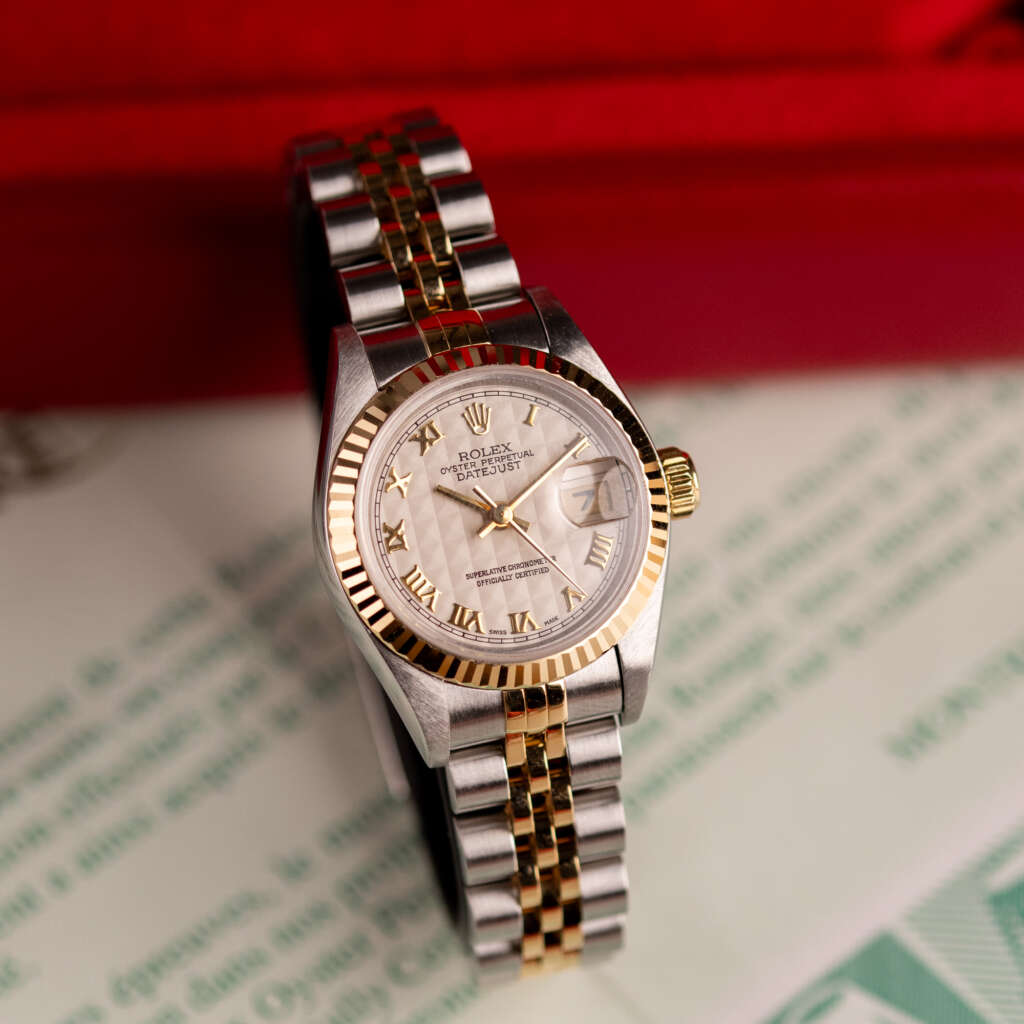
Vintage watches are original timepieces from decades ago, usually made before the 1990s, as well as modern watches styled in retro fashion. They feature classic aesthetics, smaller cases such as 35mm or 40mm, distinctive hour markers, patina dials, and movements like in-house calibre or traditional automatic movement. Iconic models like early Rolex Daytona, Longines Legend Diver, or Omega chronograph, which were initially overlooked, now command staggering prices. Vintage watches and reissues are seen as tributes to yesteryear horology and are excellent capital investments.
Why is vintage making a comeback?
Retro style is winning more fans both in fashion and watches. Why? Nostalgia, uniqueness that mass production lacks, and a strong “old money chic” trend. In a market where many modern watches look similar, retro watches with a unique dial, coin-edge bezel, or tropic bracelet make a bold style statement. More collectors recognize their investment potential: limited availability, handcrafted elements, and rare references all contribute to rising value. Regardless of the brand, from Grand Seiko and Omega to Girard-Perregaux and IWC, vintage pieces are coming back strong.
Who are vintage watches for?
Vintage watches appeal to those who value tradition, craftsmanship, and history. They’re for collectors seeking the best vintage-inspired models and individuals who want uniqueness in an era of sameness. They’re also a great fit for anyone who appreciates the finesse of watchmaking and wants to wear a timepiece with soul. A skin diver from the ’70s, an ultra-thin chronograph, or even a minimalist model with a barrel-shaped case can tell a better story than a brand-new watch.
Modern matches: Innovation meets style
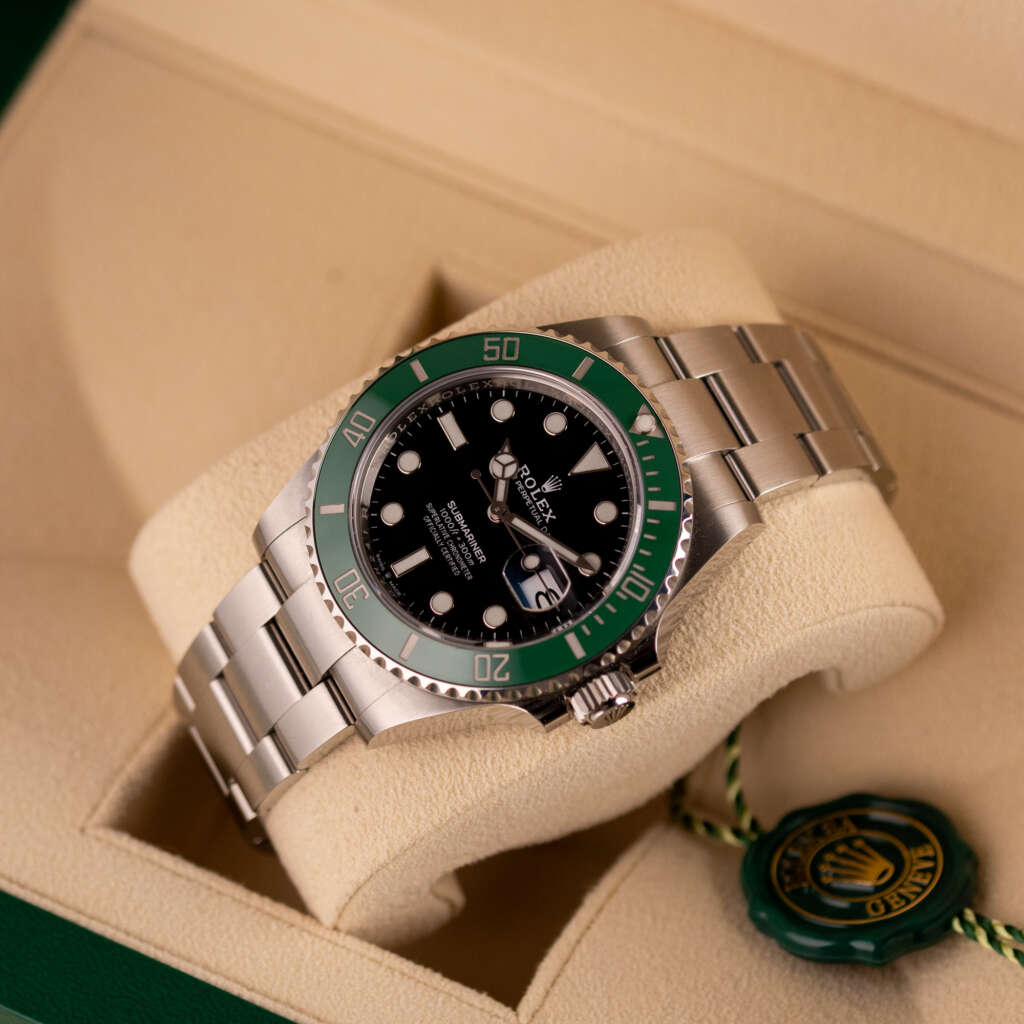
On the flip side, there are modern watches, timepieces that blend advanced materials, minimalist design, and smart features. From smartwatches with health monitoring to models with ceramic insert, bidirectional rotating bezel, and moonphase indicators. Hybrid watches are also on the rise, classic looks with internal technology. High water resistance, sapphire crystal, solar-powered movements, and modern calibres like Sellita SW510 are standard in today’s watches. Durability is a big plus. PVD coatings, solid bezels, and robust lug constructions ensure everyday reliability.
Advantages of modern timepieces
Modern watches offer many benefits: precise quartz movements, excellent water resistance, advanced functions like tachymeter, chronograph watches, alarms, and smartwatch connectivity. Active individuals will also appreciate fitness tracking and long-lasting materials such as stainless steel case and modern materials. Smartwatches from leading tech companies deliver more than just timekeeping. They are practical and stylish everyday companions.
Who are modern watches for?
Modern watches are ideal for those who value convenience, innovation, and versatility. They’re chosen by younger, active people who enjoy technology and aesthetic design. Chic looks, eye-catching dials, bold indexes, and refined facets stand out, while smartwatches with eSIM and GPS have become everyday essentials. For these users, a modern timepiece is a working tool, a fashion item, and a personal assistant all in one.
2025 Trends: What’s on top now?
In 2025, neo-vintage watches dominate, blending classic aesthetics with innovation. Reissues of iconic models like Tag Heuer‘s Autavia collection are resurging, as is personalization from bracelets to dials. Popular features include cushion cases, rotating bezels, matte black finishes, and vintage-inspired watches that retain retro charm with a modern edge. Meanwhile, the smart and eco-conscious segment is also growing. Solar-powered watches, recycled materials, and ultra-thin minimalist models are on the rise. The watch industry now embraces diversity from classic models to bold, divisive designs.
How to choose the right watch for you
Choosing the right watch comes down to lifestyle. For active individuals, a dive watch with high water resistance. For aesthetes, a vintage vibe and legend diver. For minimalists, a 40mm stainless steel watch with a clean dial. It’s not just about appearance. Consider features like power reserve, chronograph, super-luminova, automatic movement, or simple quartz. Whether you’re going for a new watch or a vintage-style model with soul, the most important thing is to pick a watch that reflects you.
Conclusion
Vintage or modern? There’s no single answer. Each timepiece offers something unique. Vintage dazzles with its history, charm, and collectible value. Modern watches impress with functionality and design. In 2025, both worlds coexist, watches of the past and those of the future. The key is to find the model that best reflects your personality, whether it’s a ’60s Longines, a steel Tudor, or a smartwatch from an upstart brand. Because a watch isn’t just a tool. It’s an expression of who you are.
FAQ – Vintage vs. modern watches
1. Why is there a sudden return to vintage watch styles?
The resurgence of vintage is driven by nostalgia, the “old money chic” aesthetic, and a desire for uniqueness. In a world of mass-produced goods, collectors value the soul and history of timepieces from the ’60s and ’70s. Additionally, smaller case sizes and muted tones are replacing the oversized watch trends of the previous decade.
2. What exactly qualifies as a “vintage” watch?
Generally, a vintage watch is an original timepiece produced before the 1990s. However, the term now also encompasses “neo-vintage” reissues—modern watches that use contemporary materials and movements but are styled with retro aesthetics like patina dials, domed crystals, and smaller 35mm to 40mm cases.
3. Are vintage watches a good financial investment?
Yes, many are. Because of their limited availability and rare references, iconic models from brands like Rolex, Omega, and Longines often see significant value appreciation. Unlike modern mass-market watches, vintage pieces are seen as “tangible history,” making them excellent capital investments for those who know how to spot rare configurations.
4. What are the downsides of owning an actual vintage timepiece?
While charming, authentic vintage watches often have limited functionality compared to modern ones. They typically have lower water resistance, more delicate mechanical movements, and may lack the durability of sapphire crystals. They require more careful maintenance and “gentle” daily wear.
5. What are the main advantages of buying a modern watch?
Modern watches prioritize durability and innovation. They offer superior water resistance, scratch-resistant sapphire crystals, and advanced materials like ceramic. Furthermore, they feature highly precise movements (both automatic and solar-powered) and practical functions like GMT hands, tachymeters, and smart connectivity.
6. What is “neo-vintage,” and why is it trending in 2025?
Neo-vintage is the dominant trend of 2025. It refers to new watches that blend the best of both worlds: the retro charm and proportions of the past with the reliability and technology of the present. A perfect example is the resurgence of cushion cases and matte finishes in modern collections from brands like Tag Heuer or Tudor.
7. Who should choose a modern smartwatch over a mechanical one?
Smartwatches and hybrids are ideal for active individuals who view their timepiece as a tool. If you value health monitoring, GPS, and eSIM connectivity for a fast-paced lifestyle, a modern smartwatch serves as a personal assistant that a traditional mechanical watch cannot match.
8. How do I decide which style fits me best?
The choice depends on your lifestyle and personality:
- Choose Vintage if you appreciate craftsmanship, storytelling, and want a unique piece that stands out from the crowd.
- Choose Modern if you need a reliable, “set-it-and-forget-it” tool for sports, diving, or high-tech daily tasks.
- Choose Neo-Vintage if you love the ’70s look but want a watch you can wear in the shower or at the gym without worry.