In the world of fine watches, the spotlight often falls on cases, movements, and dials, the showpieces of watchmaking. Yet, for those who truly live with their timepieces, there’s another element that quietly defines daily comfort and elegance – the clasp.
A watch clasp is far more than a fastening device. It is the bridge between the watch and your wrist, the mechanism that allows the bracelet or strap to wrap seamlessly around you. The right clasp type ensures security, balance, and harmony. The wrong one? Even the best luxury watch can feel misplaced.
Bracelet or strap – the first decision
Before debating clasp styles, you must choose the foundation: bracelet or strap. Each carries its own identity and dictates which clasp will suit your wrist size and lifestyle.
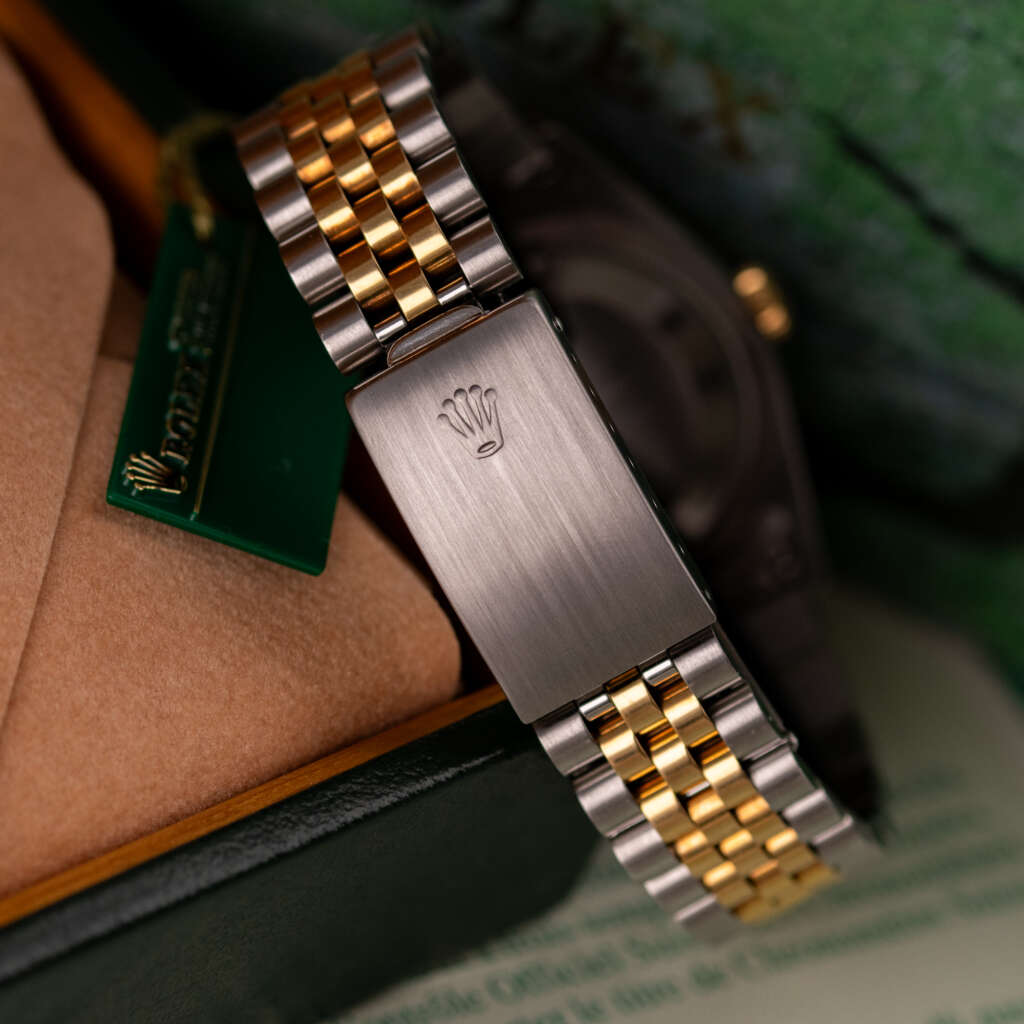
- Metal bracelets — whether an oyster bracelet, a milanese mesh bracelet, or a high-polish steel bracelet, offer longevity and strength. They pair well with hidden folding clasps, butterfly clasps, or push-button clasps, keeping the watch on your wrist with a refined presence.
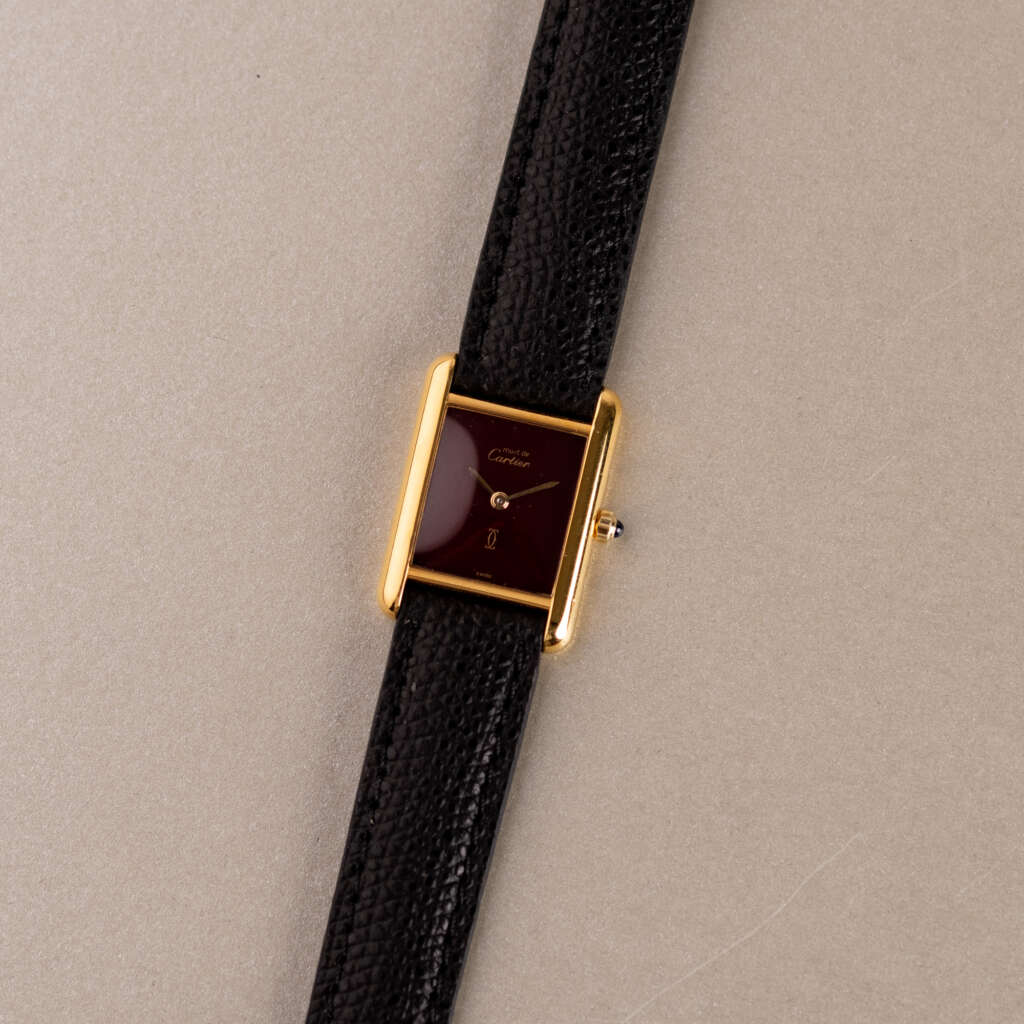
- Leather watch straps — from smooth calfskin to alligator, bring warmth and tradition. They often use pin buckles, deployant clasps, or folding clasps to connect the strap securely. The holes on the strap allow for micro-adjustments, fitting the strap perfectly.
Your choice of strap or bracelet influences not only the look of the watch, but also the type of clasp that will feel most natural during daily wear.
The language of watch clasps
Pin buckle – classic and reliable
A traditional clasp type, the pin buckle is the simplest way to secure a watch strap. Popular on leather and rubber straps, it’s intuitive, easy to repair, and keeps the watch on your wrist with minimal fuss.
Folding clasp – functional elegance
A folding clasp uses a mechanism that allows the bracelet or strap to open and close smoothly without excessive bending. It protects the watch strap from stress, ensuring the length of the bracelet or strap remains intact over time.
Butterfly clasp – perfect symmetry
The butterfly clasp is loved bywatch enthusiasts for its balanced opening. Two symmetrical wings unfolding at once. It’s often found on bracelet types where maintaining visual harmony along the bracelet is paramount.
Deployant clasp – the hybrid choice
A deployant clasp (or deployment clasp) combines the security of a folding clasp with the adjustability of a pin buckle. It’s a common choice for leather and rubber straps, offering quick closure while reducing wear and tear.
Push-button clasp – safety first
The push-button clasp requires intentional pressure to open, preventing accidental release. Ideal for metal watch straps and sports watch models, it’s a favourite for those who want the watch won’t slip no matter the activity.
Matching the clasp to the watch’s spirit
Choosing the right watch clasp isn’t just about comfort. It’s about aligning with the watch brand’s DNA and the watch model’s purpose. A vintage chronograph on a rugged leather strap deserves a period-appropriate pin buckle. A sleek Omega or Patek Philippe sports timepiece may call for a hidden folding clasp that maintains a streamlined profile.
When curating a watch collection, consider how each strap and bracelet pairing tells part of the timepiece’s story. The clasp is not just a part of a watch. It’s a functional design element that reflects its heritage.
The art of long-term wear
Fine watches are built to last decades, and so should their clasps. A well-chosen watch clasp will prevent the watch from accidental drops, reduce strain on leather watch straps or metal straps, and age gracefully with the watch case. Over time, a patinated pin buckle or a polished stainless steel clasp becomes part of the watch’s value and character.
Whether you choose a bracelet or strap, select a clasp not just for the season, but for the decades ahead.
To gain a deeper understanding of the proper care and preservation of luxury timepieces, we recommend reading our comprehensive guide How to take care of a luxury watch to make it last for years?
FAQ – Frequently asked questions
1. Why is the choice of watch clasp so important?
The clasp is the essential bridge between your timepiece and your wrist. Beyond security, it defines daily comfort, ergonomic balance, and aesthetic harmony. The right clasp ensures your watch sits perfectly, while the wrong one can make even a luxury timepiece feel awkward or unsecure.
2. How does the choice between a bracelet and a strap affect the clasp?
- Metal Bracelets: Built for strength and longevity (e.g., Oyster or Milanese styles). They typically pair with folding clasps, butterfly mechanisms, or push-button releases to maintain a seamless, integrated look.
- Leather or Rubber Straps: Offer tradition and warmth. These are usually paired with pin buckles or deployant clasps. The holes in the strap allow for precise micro-adjustments.
3. What is a Pin Buckle and when should I use it?
The Pin Buckle is the most traditional and intuitive fastening method. It is most common on leather, rubber, and fabric straps. It is favored for its simplicity, ease of repair, and classic “low-profile” appearance.
4. What are the benefits of a Folding Clasp?
A Folding Clasp allows the watch to be put on and taken off without completely unfastening the strap into two pieces. This mechanism protects the material from excessive bending, significantly extending the lifespan of expensive leather or exotic skins.
5. What makes the Butterfly Clasp unique?
The Butterfly Clasp features two symmetrical wings that unfold from the center. It is highly prized by watch enthusiasts for its aesthetic symmetry and hidden profile, as it allows the bracelet to appear almost continuous around the wrist.
6. What is a Deployant (Deployment) Clasp?
A Deployant Clasp is a hybrid choice that brings the security of a folding metal clasp to a leather or rubber strap. It offers a quick, secure closure and reduces the “wear and tear” caused by traditional buckling, keeping your strap in pristine condition for longer.
7. Which clasp is best for an active lifestyle?
The Push-button Clasp is the gold standard for security. It requires intentional pressure on side triggers to open, preventing the watch from accidentally slipping off during physical activity or sports.
8. How should I match a clasp to my watch’s “DNA”?
Matching is about honoring the watch’s heritage:
- Vintage Chronographs: Often look best with a period-appropriate pin buckle.
- Modern Luxury Sports Watches: (such as those from Omega or Patek Philippe) often utilize hidden folding clasps to maintain a streamlined, sophisticated silhouette.
9. Can the right clasp increase the longevity of my watch?
Yes. A high-quality clasp prevents accidental drops and reduces mechanical strain on the strap or bracelet links. Choosing a durable material, like stainless steel, ensures the fastening mechanism ages as gracefully as the watch case itself.