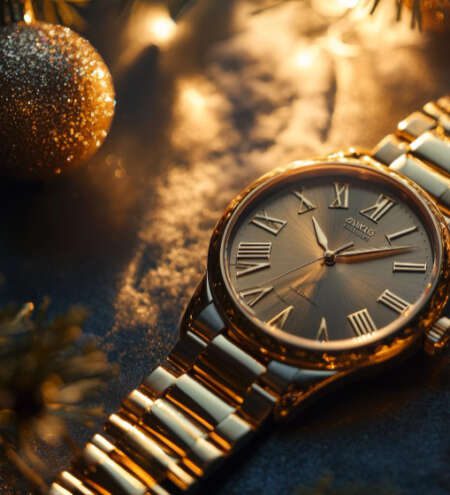
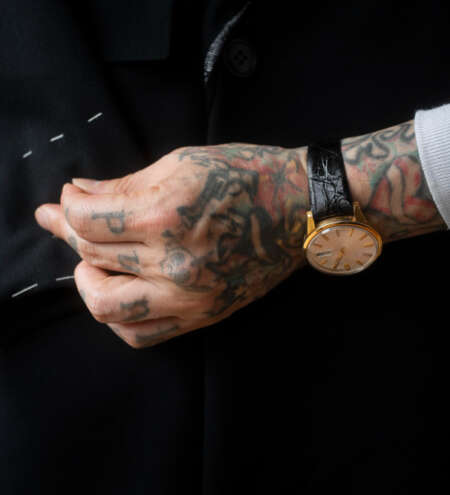
Owning an exclusive watch means much more than just keeping track of time. It’s a symbol of prestige and exceptional craftsmanship. To enjoy your favorite timepiece for many years, you need to take proper care of it and handle it carefully to avoid common problems like wear or inaccuracies in the movement. In this guide, we’ll discuss how to take care of your watch – from storage and maintenance to protection against shocks and water.
Why is it worth taking care of a luxury watch?
A luxury watch is a serious investment, both financially and emotionally. Proper care helps keep its value and ensures it keeps time accurately. Skipping regular service can lead to scratches, wear and tear, and even problems with the movement. Trusted watchmakers suggest servicing a luxury watch every few years to keep it running smoothly. Even top brands like Rolex recommend regular maintenance to preserve their precision and looks.
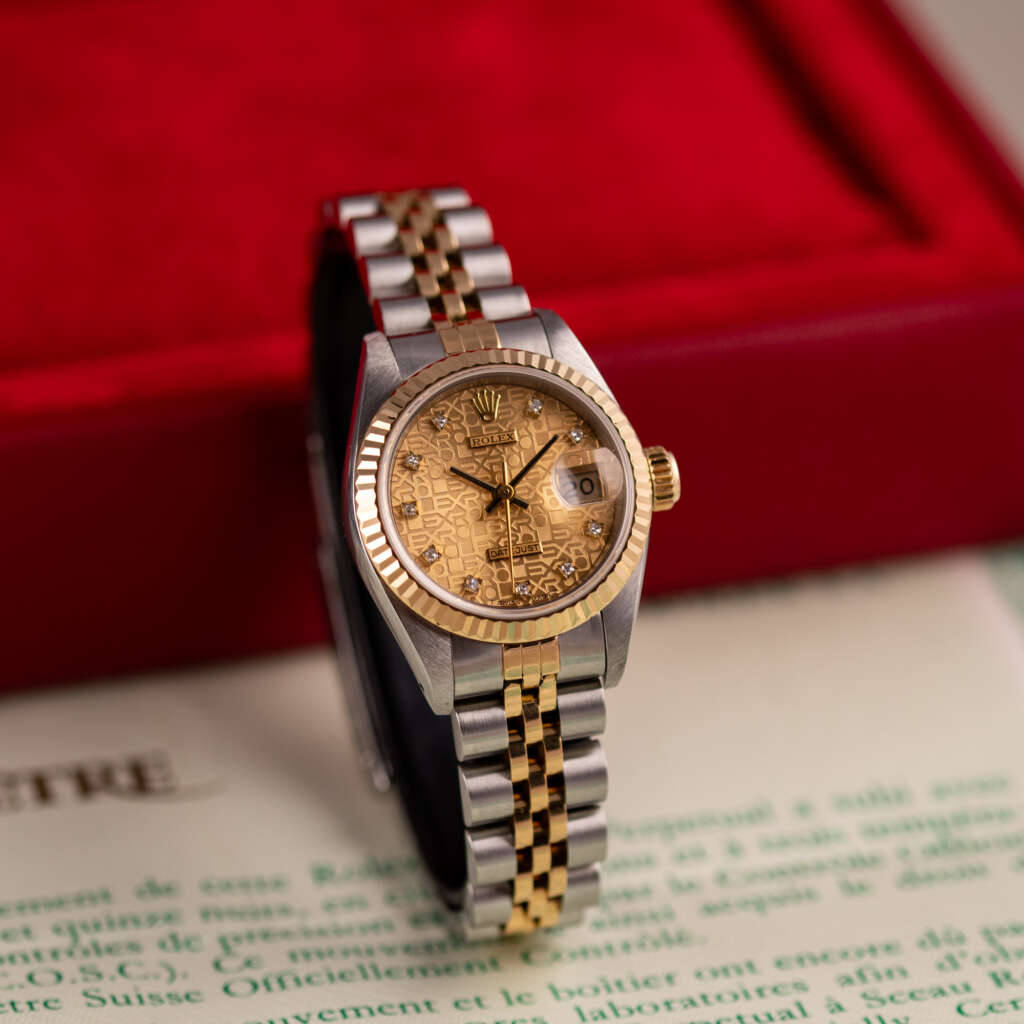
Proper watch storage – how to do it correctly?
Where and how you store your watch makes a big difference. Dust, humidity, and magnetic fields can mess with the movement. The best way to keep your watch safe is in a dedicated watch box lined with soft material to prevent scratches. If you have an automatic watch, a watch winder can help keep the movement active when you’re not wearing it.
Try to avoid direct sunlight, which can cause the dial and straps to fade. Magnetic fields, like those from speakers or phones, can also mess with your watch’s accuracy. To keep your watch clean, gently wipe the bracelet with a soft cloth and use a toothbrush for those hard-to-reach spots.
How to Clean Your Watch the Right Way
Keeping your watch clean is just as important as storing it properly. Dust and dirt can build up over time, especially around the bracelet and case. To clean your watch, gently wipe it down with a soft cloth. For those hard-to-reach areas, you can use a toothbrush with soft bristles to remove dirt without scratching the surface.
Avoid using harsh chemicals or soaking your watch unless it has a high water resistance rating. A damp cloth is usually enough to clean the case and bracelet safely.
Avoiding shocks and water exposure – what you need to know
Shocks and water are two of the biggest threats to luxury watches. Even if your watch is water-resistant, it’s best not to push the limits. Sudden impacts can misalign the movement inside, causing it to lose accuracy. Water, especially saltwater, can damage the gaskets and lead to leaks, making watch repair necessary.
If your watch does get exposed to saltwater, rinse it gently with fresh water and dry it right away. Also, make sure the crown is screwed down properly to prevent water from getting inside.
The impact of temperature and humidity on a watch
Extreme weather conditions and high humidity can negatively affect both mechanical and quartz watches. High temperatures can cause gasket deterioration, reducing water resistance, while low temperatures can weaken the lubricants in the movement. High humidity can cause condensation inside the case, which can damage the movement and require maintenance. To avoid such problems, it is advisable to store the watch in a cool and dry place – avoiding direct sunlight.
How to properly wind and adjust a watch movement?
Winding and setting your watch sounds simple but doing it wrong can cause problems. For manual watches, wind them slowly until you feel resistance – over-winding can break the mainspring. If you have an automatic watch that you don’t wear every day, it’s good to wind it occasionally, especially if you don’t use a watch winder.
When adjusting the time or date, follow the watch manual and avoid changing the date between 9 PM and 3 AM, as this can damage the movement. If your mechanical watch starts to lose accuracy, it’s a sign that it might need regulation or servicing by a professional watchmaker.
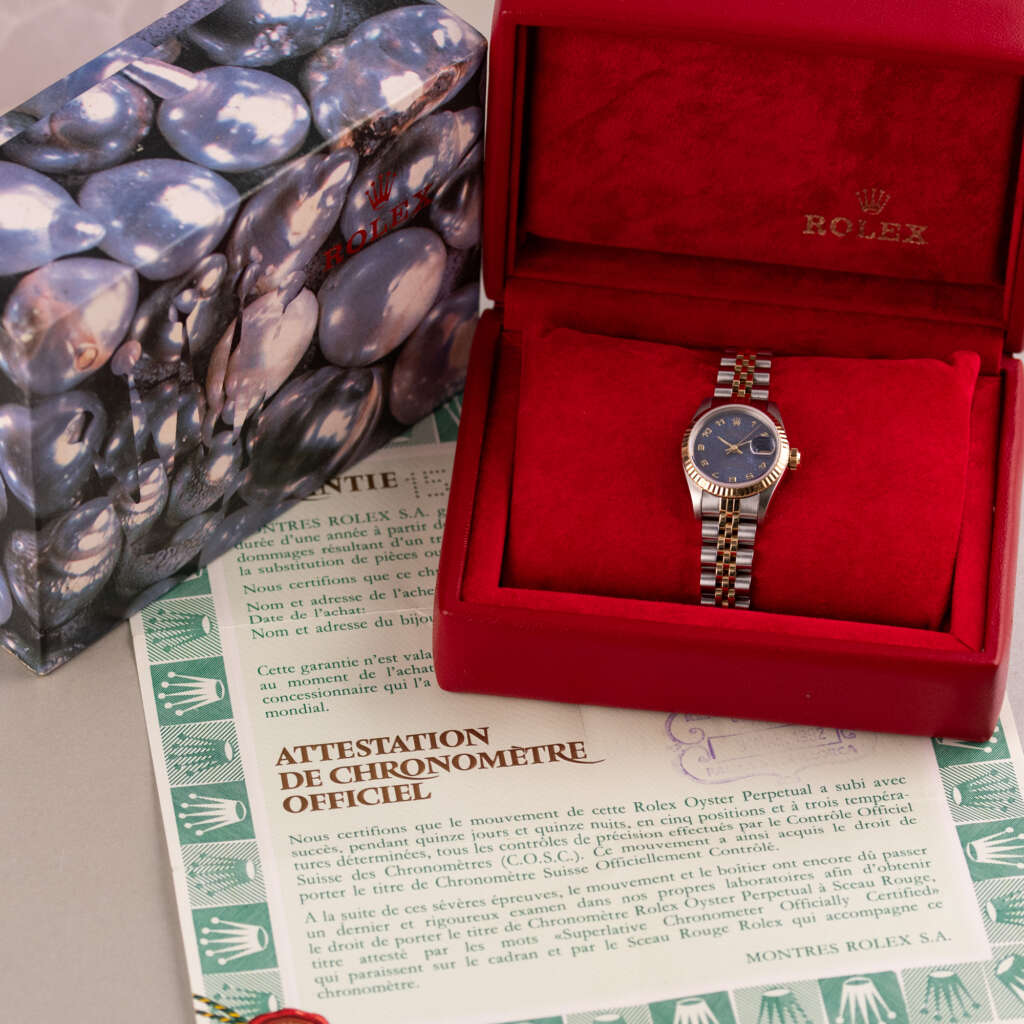
The most common mistakes in using luxury watches
Here are some mistakes that can shorten your watch’s lifespan and how to avoid them:
- Skipping Regular Service: Just like a car, a luxury watch needs regular service. Ignoring this can lead to wear and tear that’s expensive to fix.
- Exposure to Chemicals: Perfumes, cleaning agents, or even sweat can damage the bracelet and gaskets. It’s best to avoid direct contact.
- Magnetic Fields: Magnets can cause parts of the movement to stick, leading to inaccuracies. Keep your watch away from speakers, mobile phones, and other sources of magnetic fields.
- Overusing Watch Winders: Using a watch winder all the time can wear out the movement. It’s better to use it occasionally.
- Ignoring Water Resistance Limits: Water resistance isn’t permanent. Gaskets wear out, so it’s a good idea to get them checked regularly.
Conclusion – key rules for taking care of a luxury watch
Proper care is key to keeping your luxury watch looking great and performing flawlessly. Regular servicing, careful storage, and mindful handling help prevent common issues like mechanical damage, timekeeping inaccuracies, and the need for frequent repairs. Following these simple tips will allow you to enjoy the pristine quality of your luxury watch collection for many years.repairs. Following these simple tips will allow you to enjoy the pristine quality of your luxury watch collection for many years.
FAQ – luxury watch care & maintenance
1. How often should I have my luxury watch serviced?
Most high-end watchmakers and experts recommend a professional service every 3 to 5 years. Regular maintenance ensures that lubricants are fresh and that internal parts are not wearing down, which preserves both the watch’s precision and its long-term resale value.
2. What is the best way to store my watch when I’m not wearing it?
Store your timepiece in a dedicated watch box lined with soft fabric to prevent scratches. Keep it in a cool, dry place away from direct sunlight (which can fade the dial) and away from electronic devices like speakers or smartphones, which can magnetize the movement.
3. Can I use a watch winder for my automatic watch?
Yes, a watch winder is a great tool for keeping the movement active if you don’t wear the watch daily. However, you should avoid overusing it. Keeping a watch on a winder 24/7 can cause unnecessary wear on the internal components; it is often better to use it occasionally or only when you plan to wear the watch soon.
4. How should I clean my watch at home?
For daily cleaning, gently wipe the case and bracelet with a soft, lint-free cloth. For dirt build-up in hard-to-reach areas (like between bracelet links), use a soft-bristled toothbrush and a damp cloth. Avoid harsh chemicals or soaps, as these can damage the gaskets and seals.
5. Is it safe to wear my water-resistant watch in the ocean?
While many luxury watches are built for diving, saltwater is highly corrosive. If you wear your watch in the sea, always rinse it gently with fresh water immediately afterward and dry it thoroughly. Most importantly, ensure the crown is fully screwed down before any contact with water.
6. Why shouldn’t I change the date at night?
A common mistake is adjusting the date between 9 PM and 3 AM. During these hours, the watch’s internal gears are already engaged in the automatic date-change process. Manually forcing a change during this window can break the delicate teeth of the date wheel.
7. What happens if my watch becomes magnetized?
If your mechanical watch suddenly starts running very fast (e.g., gaining minutes per day), it has likely been magnetized by proximity to magnets, speakers, or tablets. This isn’t a permanent break, but it does require a watchmaker to “degauss” the movement to restore its accuracy.
8. Are temperature changes really a threat to my watch?
Yes. Extreme heat can cause the waterproof gaskets to expand and deteriorate, while extreme cold can thicken the lubricants, making the watch run slow. Avoid leaving your watch in a hot car or wearing it in a sauna.