In the world of luxury watches, certain names rise above mere function and enter the realm of legend. Among them, two stand out not just for their precision, but for their symbolism — Rolex, the ultimate emblem of prestige, and Tudor, a brand owned by Rolex, carrying the same heritage but with a more accessible price point.
Over the past decade, luxury watch investing has evolved from a niche passion into a serious alternative asset class. In this face-off, Tudor vs Rolex, we’ll explore which brand offers better long-term investment potential, considering history, market performance, collectibility, and craftsmanship.
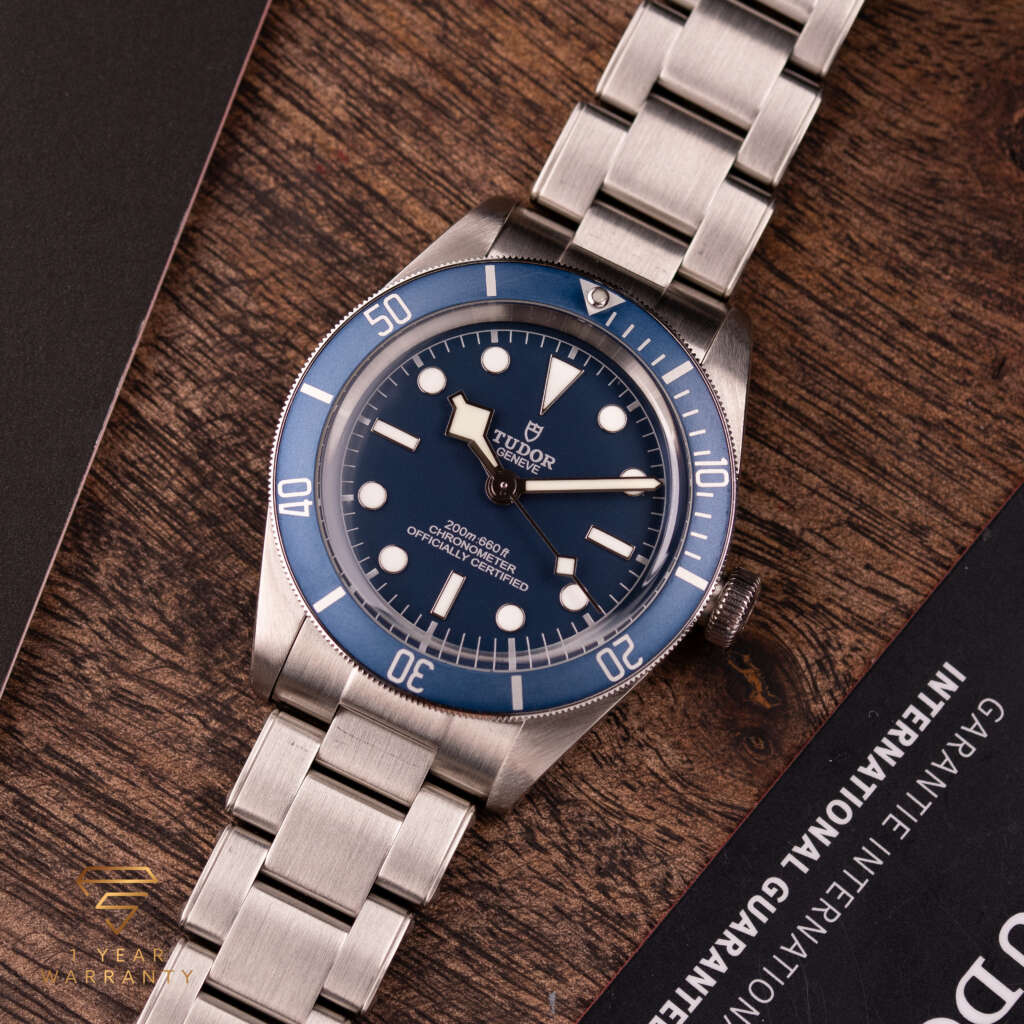
Heritage in steel and gold – the legacy of Tudor and Rolex
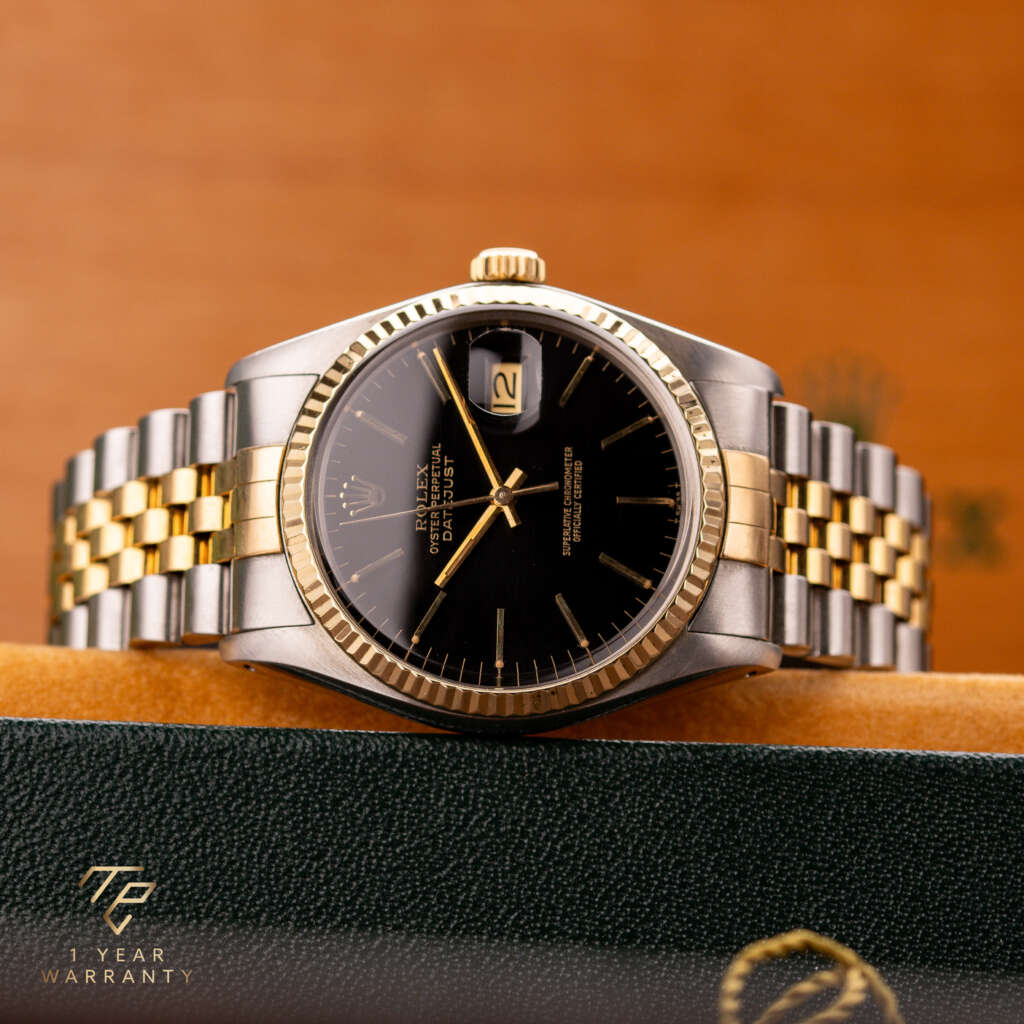
The Rolex brand is synonymous with enduring prestige. Since Hans Wilsdorf established Tudor in 1926 as an affordable alternative to Rolex, the two have been intertwined. Rolex has long occupied the pinnacle of the luxury watch industry, with models like the Rolex Submariner, Rolex Daytona, and Rolex Explorer becoming icons of achievement and style.
The Tudor brand, while sharing Rolex’s engineering DNA and often the famed Oyster case, was designed for a different audience, those who sought Rolex quality but at a fraction of the price. Over time, Tudor has developed its own identity, thanks to models like the Tudor Black Bay, Pelagos, and Tudor Ranger, blending vintage-inspired design with modern in-house movements.
Tudor vs Rolex in the investment arena
Looking at historical data, Rolex models like the Submariner watch, Daytona, and GMT-Master II have consistently appreciated in value over time. Scarcity in boutiques, long waiting lists, and exceptional resale premiums have made them reliable investment pieces in the world of luxury watches.
Tudor watches often provide stable value retention, especially models like the Black Bay 58 or limited releases like the Tudor Heritage Black Bay Navy Blue. However, significant price jumps are rarer compared to their Rolex counterparts. For investors, Tudor can be a safer entry point, less volatile, but with more modest gains.
Resale royalty – how they hold their throne
In the secondary market, Rolex and Tudor offer two very different experiences. A Rolex watch can often be resold for more than its original retail price, even pre-owned, due to overwhelming demand and limited availability. The value of Tudor and Rolex here is clear: while Rolex dominates resale charts, certain Tudors, particularly Black Bay and Pelagos, hold steady, giving buyers confidence in long-term value.
When rarity reigns, Rolex made scarcity and Tudor’s open seas
Rolex made scarcity into an art form. Production volumes are deliberately limited, creating an aura of exclusivity. This scarcity ensures investment potential, but it also makes acquiring popular models challenging.
Tudor, by contrast, maintains greater availability. While this means less of an “unattainable” factor, it allows more collectors to actually wear and enjoy the timepiece without months or years of waiting. For some investors, this accessibility at an affordable price point is part of Tudor’s charm.
Rolex and Tudor models that capture the soul
In terms of collectibility, both brands shine in their own way. Watches like the Rolex Daytona can become instant grail pieces once production ends. Tudor’s limited runs — such as the Tudor Pelagos LHD or heritage-inspired editions — can also appreciate in value, particularly when they tap into the tudor heritage story.
For watch enthusiasts, choosing between the Black Bay and Pelagos or models like The Submariner often comes down to emotional pull as much as investment logic. Both brands have proven their ability to appreciate in value, though Rolex remains the heavyweight champion of collectibility.
The hidden cost of beauty, craftsmanship and care
Both brands are paragons of Swiss craftsmanship, yet their ownership costs differ. A Rolex watch demands higher servicing fees, but offers unmatched after-sales service and parts longevity. Tudor servicing is more affordable, and its modern in-house movements ensure reliability for years.
Over decades, ownership costs can impact ROI. While Tudor offers better affordability in upkeep, Rolex’s prestige and bulletproof watchmaking often offset its higher maintenance expenses in the eyes of investors.
For further insights into the care and maintenance of luxury watches, we invite you to read the article How to take care of a luxury watch to make it last for years?
Gateway to greatnes – how a Tudor watch owned by Rolex opens doors
For newcomers to the world of luxury, a Tudor watch is often the best investment starting point. With prices often half the price of a comparable Rolex, models like the Black Bay Pro or Tudor Ranger let you experience mechanical excellence at an affordable price point.
Owning a Tudor allows you to build knowledge, understand the watch collections landscape, and prepare for the leap to a timeless Rolex when your collecting journey matures.
The final verdict – which brand is the best investment?
In the Tudor vs Rolex debate, the choice depends on your goals. Rolex offers a proven track record, iconic status, and models that consistently appreciate in value. Tudor offers accessible price points, reliability, and the chance to enter the luxury timepieces market without overextending your budget.
If you seek a long-term, high-yield investment piece, Rolex is the safer bet. If you value enjoyment, lower risk, and authentic heritage, Tudor may be your perfect gateway. Either way, both brands embody the art, engineering, and passion that make the luxury watch industry one of the most captivating realms in the world of luxury.
FAQ: Tudor vs. Rolex – investing in luxury timepieces
1. Are Tudor and Rolex the same company?
Not exactly, but they are closely related. Both brands are owned by the Hans Wilsdorf Foundation. Rolex was established first, and Tudor was created in 1926 by Wilsdorf to offer watches with “Rolex levels of reliability” but at a more accessible price point. Today, while they share some engineering DNA, they operate as distinct brands with unique identities.
2. Which brand holds its value better over time?
Rolex remains the “resale royalty” of the watch world. Due to high demand and deliberate scarcity, many Rolex models (like the Submariner or Daytona) actually appreciate in value, often selling for more on the secondary market than their original retail price. Tudor offers excellent value retention—meaning it holds its price well—but significant price jumps are less common than with Rolex.
3. Why is it so hard to buy a Rolex at retail price?
Rolex utilizes controlled scarcity. The brand produces a limited number of watches relative to global demand, leading to long waiting lists at boutiques. This exclusivity is a key driver of Rolex’s high investment potential, as buyers are often willing to pay a premium to skip the wait.
4. Is Tudor a good “entry-level” investment?
Yes. Tudor is widely considered the best gateway into luxury watch investing. With prices often half the price of a Rolex, models like the Black Bay 58 or Pelagos allow investors to own a high-quality, in-house movement timepiece with a strong heritage without the massive initial capital required for a Rolex.
5. Which specific models should an investor look for?
- For Rolex: Look toward the “Professional” stainless steel models: the Daytona, Submariner, and GMT-Master II.
- For Tudor: Focus on the Black Bay series (especially the 58 and Pro), the Pelagos, and heritage-inspired limited releases.
6. How do maintenance costs compare between the two?
Rolex watches generally command higher servicing fees due to the complexity of the movements and the prestige of the brand. Tudor servicing is typically more affordable, making the “total cost of ownership” lower over a ten-year period. However, a well-maintained Rolex often offsets its service costs through higher capital appreciation.
7. Can a Tudor watch eventually become as valuable as a Rolex?
While most Tudors won’t reach the multi-million dollar heights of rare vintage Rolexes, certain vintage Tudor Submariners (like the “Snowflake” models) and specific limited editions have seen significant growth. Tudor’s “investment soul” lies in its vintage-inspired designs that appeal to purists.