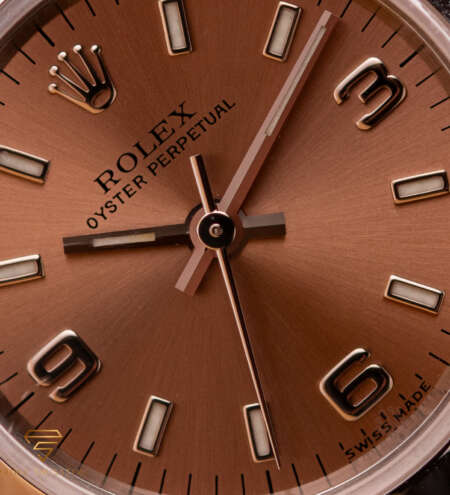
In the watch world, few things spark the imagination of a watch collector quite like the words limited edition. From legendary Rolex models to modern collaborations, brands have mastered the art of scarcity to capture attention, and sometimes, investment capital. In recent years, the luxury watch market has seen a surge in limited edition watches, enticing both seasoned investors and newcomers with promises of rarity and potential increase in value. Yet the question remains: does a smaller number of watches produced always guarantee a higher return in the secondary market?
What defines a limited edition watch?
A limited edition watch is typically produced in a fixed batch, whether it’s 500, 1,000, or fewer than 100 pieces. Beyond the rarity, these editions often feature distinct design elements like an alternative dial, a unique caseback, or a commemorative engraving. Many come with special packaging and a numbered certificate to underline their exclusivity. It’s important to differentiate between genuine limited edition releases and standard production models with a short life cycle, which may be marketed as “exclusive” but lack the inherent scarcity of a true collectible.
If you’re considering which watch would make the ideal gift, we invite you to explore our article A luxury watch as a gift – how to choose the perfect model?
Why collectors are drawn to limited editions
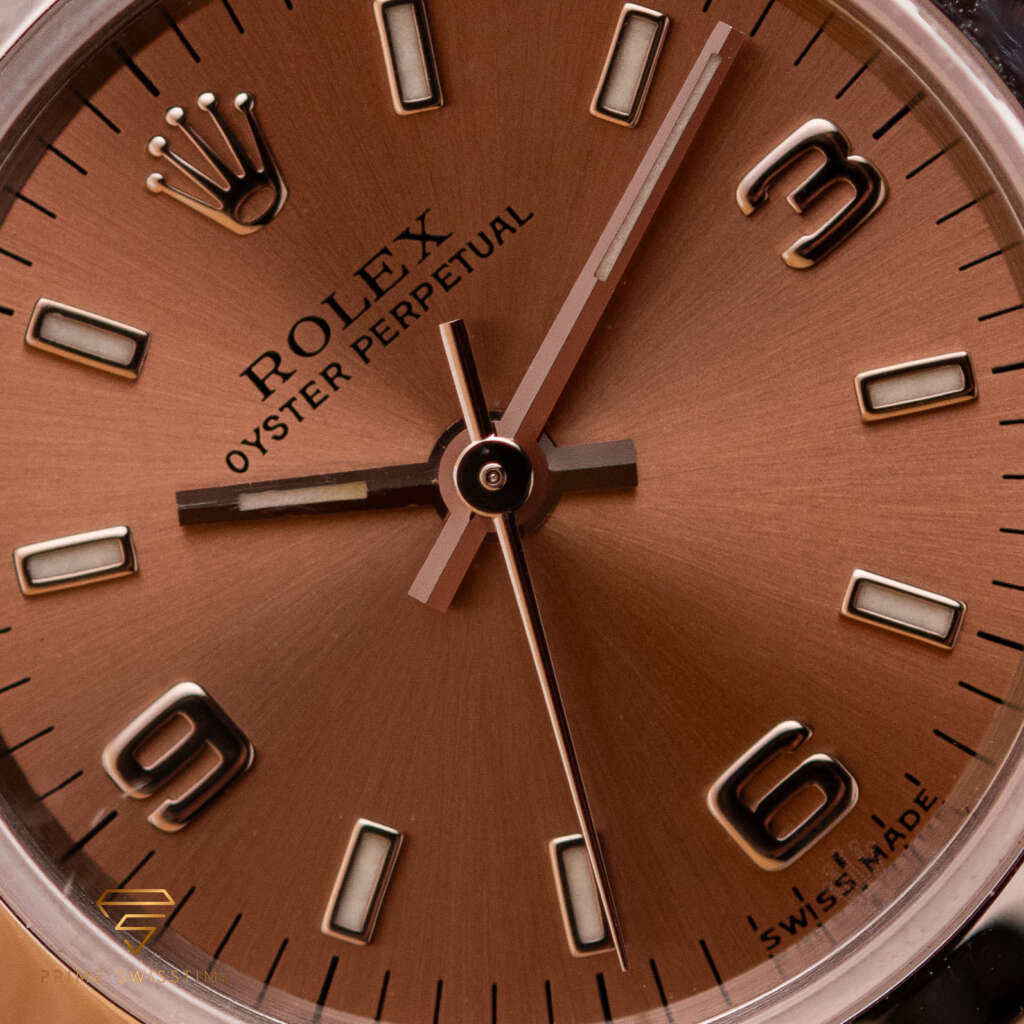
For many collectors, the appeal of a limited edition lies in three intertwined factors: exclusivity, prestige, and the hope of a significant increase in value. Wearing a rare watch is not just about owning a timepiece; it’s about joining an elite circle, much like owning a Rolex or a Patek Philippe. These watches become part of a personal story, a marker of taste, passion, and connoisseurship. For some, the purchase is a calculated move in investing in watches; for others, it’s the pure joy of wearing a piece that only a handful of people in the world will ever own.
Rarity vs. desirability – what really drives value?
In the watch market, rarity alone is rarely enough. Desirability, fuelled by brand prestige, historical significance, and exceptional craftsmanship, often plays a bigger role. There are countless examples of watches without mass appeal that, despite low production numbers, failed to increase the value over time. Conversely, certain widely available models, like the Rolex Submariner or the Omega Speedmaster, have become cult classics due to their watch brand heritage and enduring demand.
When does low production actually increase value?
Limited production tends to yield the best results when paired with strong brand DNA and meaningful context. Consider the Omega Speedmaster Snoopy Edition, commemorating NASA’s Apollo missions, or the Audemars Piguet Royal Oak 40th Anniversary, both became highly sought after in the secondary market almost immediately. Special editions marking major anniversaries, discontinued mechanical watches with unique complications, or watches tied to cultural milestones are more likely to increase in value over time.
Marketing hype and artificial scarcity
Not all limited editions are created equal. Some watch brands have been criticised for flooding the market with countless “special editions,” diluting their impact. This “artificial scarcity” can lead to oversaturation, where the collectible value erodes quickly. The watch industry has seen plenty of cases where low production numbers failed to boost resale prices, proving that watches increase in value only when genuine desirability matches the scarcity.
How to evaluate a limited edition’s investment potential
For those serious about watch investment, assessing a limited edition means going beyond the production number. Factors such as the watch brand’s reputation, the timepiece’s place in the brand’s history, and the reason for the edition are all crucial. Monitoring prices on the secondary market, gauging collector sentiment, and comparing against similar watch models can reveal whether a limited edition is likely to appreciate or stagnate.
Examples of success and failure in the limited edition space
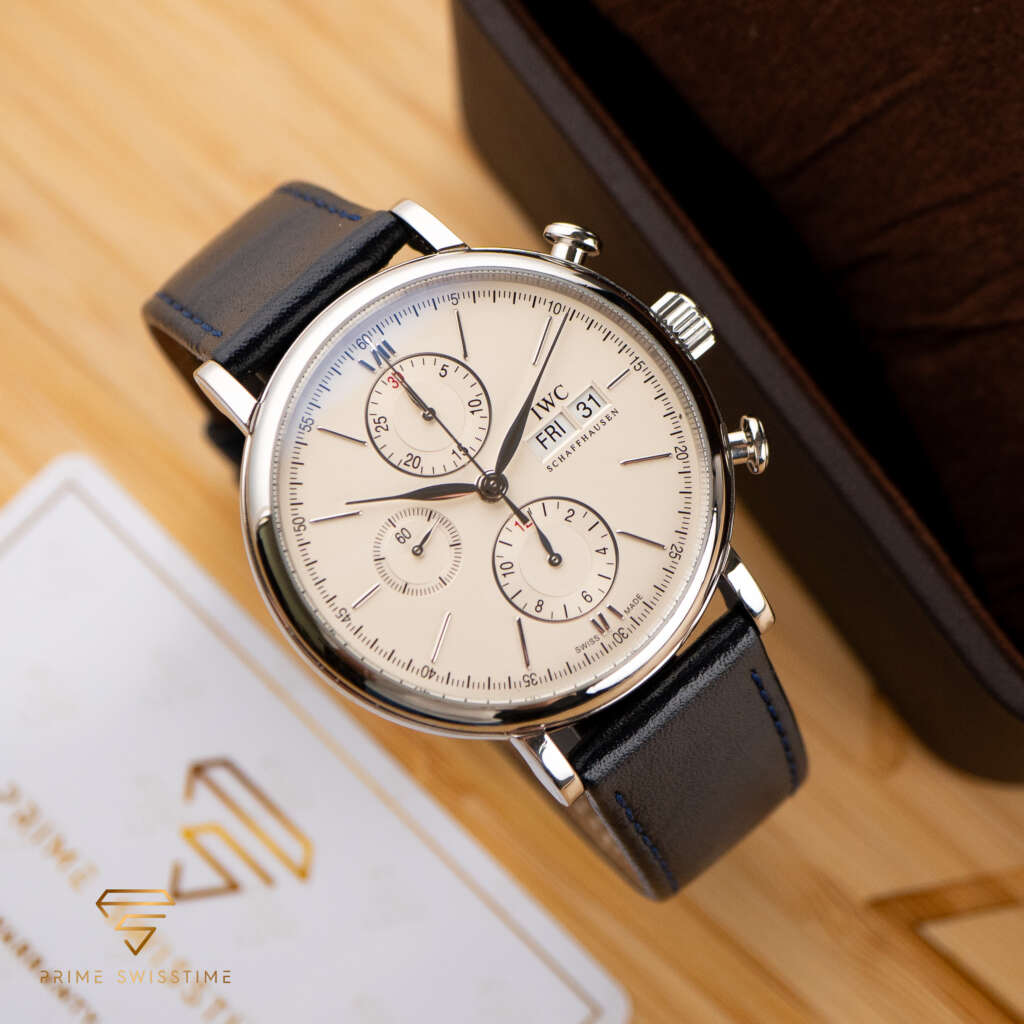
Some watches go down in history as triumphs of design and investment like Patek Philippe 5711/1A Tiffany Dial, Rolex Daytona Paul Newman, or the Omega Speedmaster Silver Snoopy Award. Others, like over-stylised versions from lesser-known watch companies, failed to resonate with watch enthusiasts alike. The difference often lies in authenticity, timeless design, and alignment with the brand’s craftsmanship standards.
Rarity is not enough – the Prime SwissTime perspective
From our vantage point at Prime SwissTime, we advise our clients to approach limited edition watches with both passion and pragmatism. Yes, rarity can amplify value, but it must be backed by heritage, design integrity, and strong market demand. In terms of watch investment, a truly great timepiece should not only hold or increase its value over time. It should also bring lasting satisfaction every time you wear it. Whether it’s a Rolex watch, a Patek Philippe, or a modern Omega, buy it for the story, the artistry, and the pleasure it brings, the appreciation will follow naturally.
FAQ – Limited edition watches – rarity vs. investment value
1. Does a low production number always guarantee a watch will increase in value?
No. Rarity alone is not enough. For a watch to appreciate in the secondary market, low supply must be paired with high desirability. Factors like brand prestige, historical significance, and design appeal are often more important than the production count itself.
2. What is the difference between a true “Limited Edition” and an “Exclusive” model?
A true Limited Edition is produced in a strictly fixed batch (e.g., exactly 500 pieces), often evidenced by a numbered caseback and a certificate. An “Exclusive” or “Special Edition” model may have a short production life or limited availability, but it lacks a guaranteed production cap, making it less predictable as a collectible.
3. What is “Artificial Scarcity” in the watch world?
Artificial scarcity occurs when brands release an excessive number of “special editions” to create a false sense of urgency. If a brand “limits” its watches too frequently, it can lead to market oversaturation, which eventually dilutes the collectible value and prestige of those editions.
4. Which limited edition watches tend to perform best as investments?
The most successful models are usually those with a strong meaningful context, such as:
- Major anniversaries: Marking 40, 50, or 100 years of an iconic model.
- Cultural milestones: Pieces like the Omega Speedmaster Snoopy, which commemorates NASA missions.
- Discontinued innovations: Mechanical watches with unique complications that are no longer produced.
5. How can I evaluate the investment potential of a limited edition?
To assess a timepiece, you should look beyond the numbers and consider:
- Brand reputation: Brands like Rolex, Patek Philippe, and Audemars Piguet have higher baseline demand.
- Reason for release: Is the edition celebrating a genuine milestone or just a cosmetic change?
- Secondary market sentiment: Research historical price trends for similar models on auction sites and enthusiast forums.
6. Why are collectors drawn to limited editions if the value isn’t guaranteed?
Beyond financial gain, many collectors seek exclusivity and prestige. Owning a rare piece allows one to join an “elite circle” of owners. For many, the joy comes from the storytelling and craftsmanship behind a watch that only a handful of people in the world possess.
7. What is the “Prime SwissTime” advice for buyers?
We recommend a balanced approach of passion and pragmatism. While rarity can amplify value, a watch should primarily be purchased for its artistry and the pleasure it brings the wearer. If a watch is backed by heritage and design integrity, financial appreciation often follows naturally.